Experience slow food travel
放緩旅程腳步,漫享愜意山城
Slow down your travel paceand enjoy the mountain city
Delicacies are one of the highlights of travel. Multi-ethnic Kaohsiung incorporates food culture of various places, establishing the characteristics of eastern Kaohsiung. On the mountain city route, enjoy Meinong’s Hakka culture and tea ceremony, while in the indigenous people route, venture into the mountain forest to experience the indigenous heritage. Eastern Kaohsiung is suitable for slow travel to experience the local lifestyle. Drive a car from the City to these places to savor slow food, visit Baolai Hot Spring, and enjoy a leisure tour.
Category
East Kaohsiung Slow Food TourA beautiful trip that combines the place of origin with dining table
Some local delicacies include Liugui’s mountain tea, Meinong’s flat rice noodles, handmade bread from local ingredients, etc. East Kaohsiung Slow Food encourages shops to use friendly agricultural ingredients so that visitors are able to gain an in-depth knowledge of the place of origin of the ingredients and local lifestyle while savoring the seasonal delicacies, thus cherishing every bite of food.
Recommended Slow Food Shops
Tibetan Royal Bakery
- The bread is crafted using locally sourced ingredients from Liouguei’s small farms, and the bakery even makes their own yeast, eliminating any possibility that the products are stale or contain pesticides.
- 07-6891396
- No. 10 Zhongzhuang, Zhongxing Village, Liouguei District, Kaohsiung City
- Tuesday through Sunday, 6:00–20:00 Closed on Mondays
Edison's Kitchen
- With a pair of magical hands, the chef brings flavors reminiscent of warm sunlight to travelers’ tastebuds, allowing people to relive pleasant memories that have gradually faded.
- Gentle reminder: No menu provided, by reservation only; reservation must be made one day in advance
- 07-6813797
- No. 215, Meixing St., Meinong District, Kaohsiung City
- Friday through Sunday, 11:30–17:30
Wish Bakery
- Sells naturally produced Liouguei mountain tea and cakes. The bakery also manufactures gorgeous and charming Lucky Turtle Cakes, which are infused with the aroma of mountain tea. The perfect combination of flavors has prompted more people to recognize the beauty of Liouguei’s culture.
- 0955-655639
- No. 61, Taiping Rd., Liouguei District, Kaohsiung City
- Please call in advance to confirm business hours, as irregular closures may occur.
Grand Orchid Villa Resort
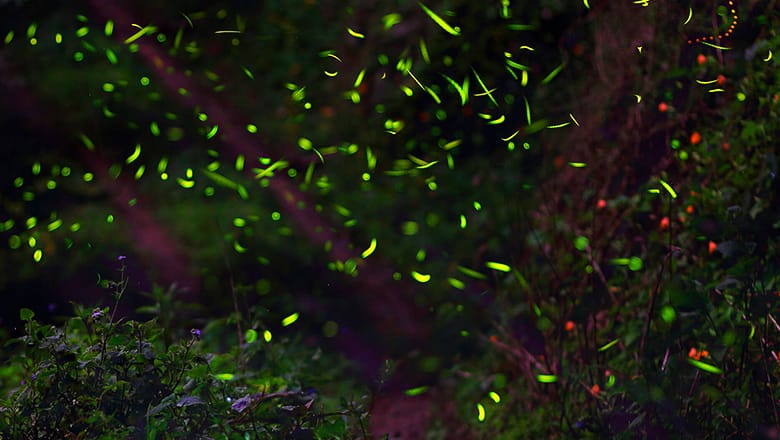
- A hot spring resort located halfway up a mountain in Liouguei Baolai. Situated in a deep valley, the mountain spring is not only perfect for winter wellness holidays but also makes for an excellent summer retreat. With a bit of luck, you might even catch a glimpse of fireflies on summer nights.
- 07-6882231
- No. 36-30, Baolai Lane 2, Baolai Village, Liouguei District, Kaohsiung City
- Open 24/7
- Official website
Spectrum House
- Serves traditional Hakka-style rice noodles made from locally farmed, earth-friendly Meinong 147 rice. Natural dyes are added to produce beautiful multicolored rainbow rice noodles.
- Please call us before visiting
- 07-681-2820
- No. 384, Section 2, Zhongshan Rd., Meinong District, Kaohsiung City
- Wednesday through Sunday, 11:00–14:00
Shishan Pepper Farm
- The largest pepper farm in Taiwan. In addition to peppers, the farm also grows guava and cempedak. When guests visit, the owner always prepares a table filled with delicacies. The peppers will awaken your taste buds and ensure that you eat your fill.
- 07-6791798
- No. 78, Shishan, Xinfa Village, Liouguei District, Kaohsiung City
- 09:30~17:00
Jin Ye Roadside Banquets Culture Studio
- Established in 1953, Jin Ye promotes the “seasonal spirit”. Using rigorously selected seasonal ingredients and serving frozen treats and sweets made by top-quality local shops, the restaurant reduces food miles while showcasing southern Taiwan’s unique homestyle cuisine.
- 0930-626259
- No. 44, Fuxin St., Qishan District, Kaohsiung City
- Official website
Yong Quan Tea Co.
- This 6th generation Meinong tea farm employs rewilding techniques and natural fertilizer. The farm is home to birds, animals, and butterflies. Adhering to the principles of environmental friendliness and safety, the farm currently produces three primary varieties of tea: wild tea, black tea, and Meinong tea.
- 0977-609045
- Meinong Tea Factory: No. 103, Longdong St., Longdu Village, Meinong District, Kaohsiung City
- Store: No. 8, Lane 213, Ruiyuan Rd., Changzhi Township, Pingtung County
- 10:00~21:00
Royal Capital Restaurant
- Epitomizing Jiaxian’s special characteristics, it cultivates its own vanilla ingredients.
- 07-6751461
- No. 7, Zhongzheng Rd., Xi’an Village, Jiaxian District, Kaohsiung City
- Monday through Friday 10:00~14:00, Saturday and Sunday 10:00~16:00
Mei Shan Restaurant
- Eat your fill at Bulao Hot Spring. The house chicken soup is a must-order!
- 07-6791313
- No. 86, Xinfa Village, Liouguei District, Kaohsiung City
- 11:30~14:00;17:30~19:30
Shun Fa Tea Farm
- The tea is compressed into “chocolate bars”. Each piece is bursting with Taiwanese flavor.
- 0976-023578
- No. 251-5, Heping Rd. Liouguei District, Kaohsiung City
- 8:00~21:00
Xin Yuan
- Displays the soft power of mountain tea, leaving the aroma of tea lingering deep in your heart.
- 07-6791527
- No. 43, Heping Rd, Xinfa Village, Liouguei District, Kaohsiung city
- 09:00~20:00(Please call us before visiting)
Faxian Shan Cha
- Clouds, mist, rain, and fog perform magic, sweetening the floral mountain tea. (The tea has passed Manna Organic Cultural Promotion Committee’s friendly certification and is harvested via natural farming methods.)
- Reservation required.
- 0989-558187
- No. 271, Heping Rd., Xinfa Village, Liouguei District, Kaohsiung City
Nongfu Life
- Sweet and sour pesticide-free lemons. Also offers DIY courses.
- 0920-141721
- No. 195, Yong’an Rd., Meinong District, Kaohsiung City
- Closed Tuesdays| Monday to Sunday and national holidays 10:00-18:00
Meinong Tankaotang
- Check in at Meinong’s old clinic, and discover white water snowflake stems hidden inside the bread.
- 07-6819764
- No. 197, Yong’an Rd., Meinong District, Kaohsiung City
- Weekdays: 10:00–18:00 Holidays: 10:00–17:00 Closed on Mondays and Thursdays
Turn Red Natural Life
- Meinong’s local products, handicrafts, and Hakka specialties served kaiseki-style.
- 0982-249197
- (Headquarters) No. 60-5, Lane 152, Guangfu St., Guanglin Village, Meinong District, Kaohsiung City
- 9:00~18:00 | Closed on Wednesdays and Thursdays
Li Chang Fish
- Fish are transferred from the production site to the restaurant in only 10 seconds, which is sure to tantalize gourmands’ stomachs.
- 0981-142963
- No. 701, Section 2, Zhongzheng Rd., Meinong District, Kaohsiung City
- 11:00–14:00; 17:00–20:30 Closed on Tuesdays
Zhongzheng Lake Fried Shallots
- The most delicious topping for Hakka noodles, and the best gift to bring back from Meinong.
- 07-6814105
- No. 37, Minquan Rd., Meinong District, Kaohsiung City
- 8:00~19:00
Mazi Kitchen
- Bring out a hunter’s lunchbox and eat the café’s stone grilled meat.
- 0988-063871
- No. 6-1, Maolin District, Kaohsiung City
- 8:00~17:00
Isamu Café
- Duona’s master coffee roasters produce a delicious fragrance at a height 700 m above sea level
- 0932-500065
- No. 6-6, Duona Village, Maolin District, Kaohsiung City
- 9:00~17:00
Tengjhih Malishan
- Drink a cup of mountain village coffee on a peak 1500 m above sea level.
- 0912-987358
- No. 84-2, Neighborhood 7, Baoshan Village, Taoyuan District, Kaohsiung City
- 8:00~22:00
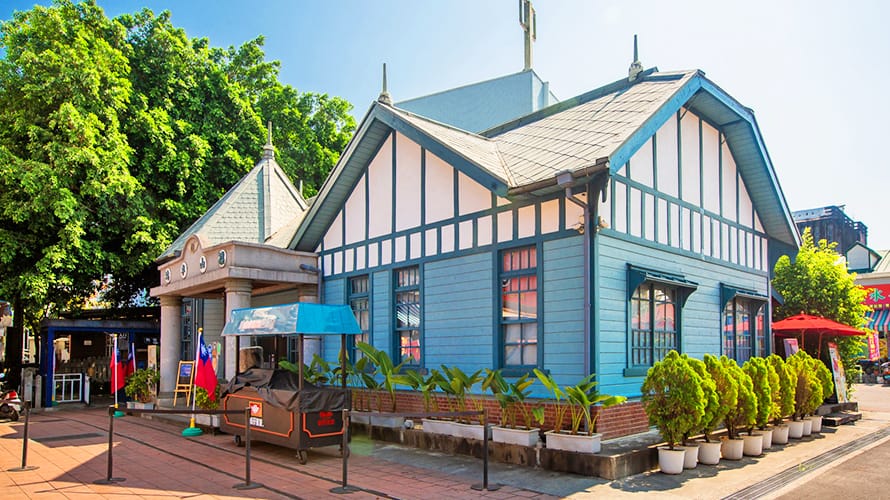
Sacred placesQishan-Shanlin-Jiaxian-Namasia
The trip begins from Qishan, known for its traditional sugar manufacturing and banana plantation, and then to Jiaxian mountain region, the hometown of yam, and finally to Namasia, which has rich indigenous culture. Visitors are able to learn about the ecosystem of mountain forest, as well as local religion and history.
Recommended attractions
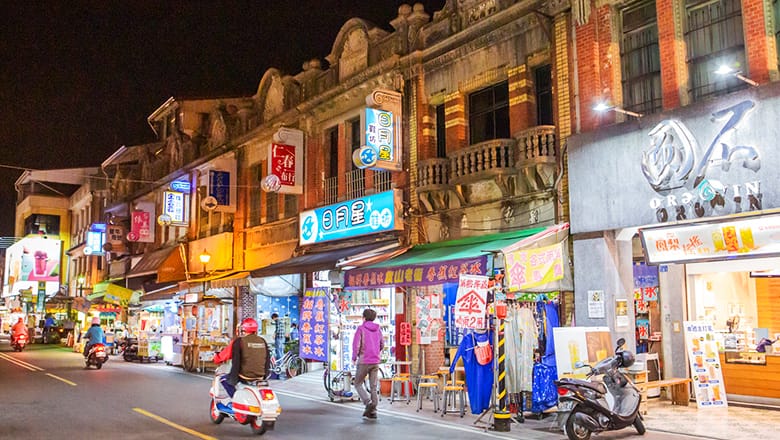
Cishan (Qishan) Old Street
A distinctive old street filled with baroque architecture. It also sells a variety of famous banana snacks and gifts.
More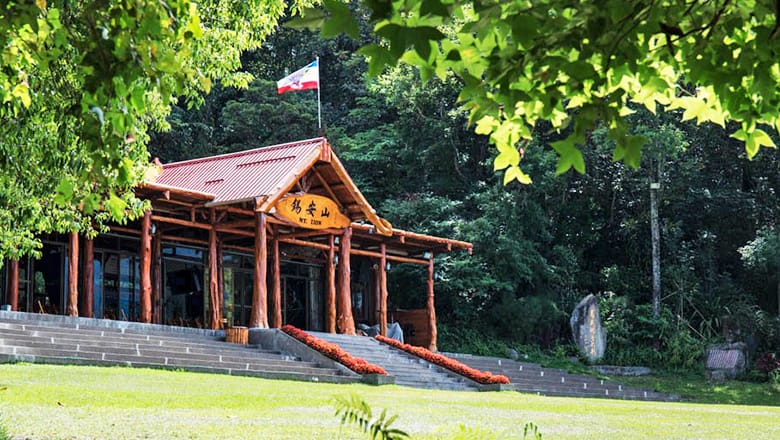
Holy Mt. Zion
An excellent hiking spot during the summer, Holy Mt Zion is at its most beautiful before and after the lunar new year, when the plum blossoms are in bloom.
More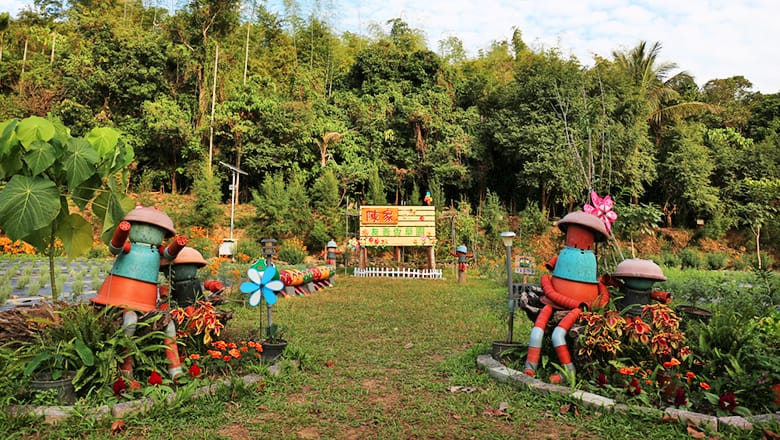
Chen Family Eco-Friendly Herb Garden
The garden is favored by many high-level chefs due to its organic farming methods, and it occasionally hosts food and drink experience events.
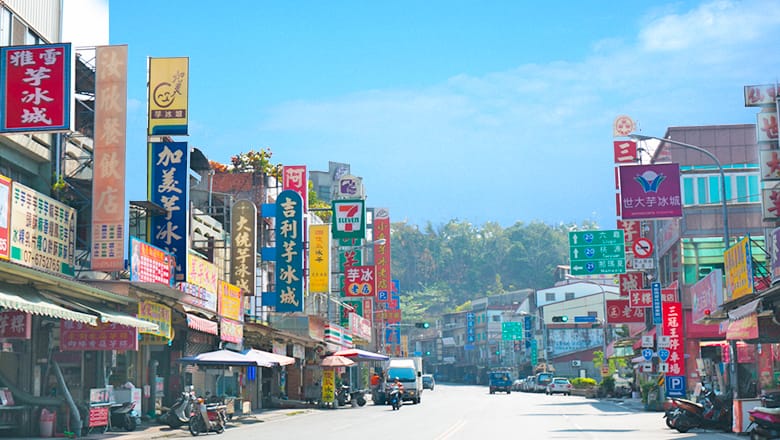
Jiaxian Commercial Area
Jiaxian’s environmental conditions are ideal for growing taro and bamboo shoots. It is a well-known town of bamboo and taro that occasionally develops new delicacies.
More
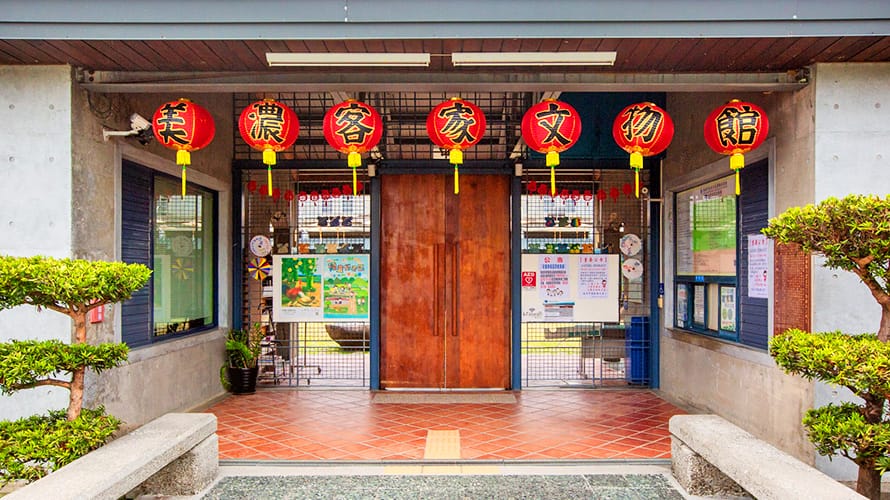
Back to natureQishan-Meinong-Liugui-Taoyuan
Meinong is known for its rich Hakka culture, where visitors can learn about how the Hakka people preserve the traditional customs and natural environment. The route connects to Liugui, which has a rich camphor harvesting culture, and then to Taoyuan, a mountain region with many hidden spots; one can see the wisdom of the indigenous people.
Recommended attractions
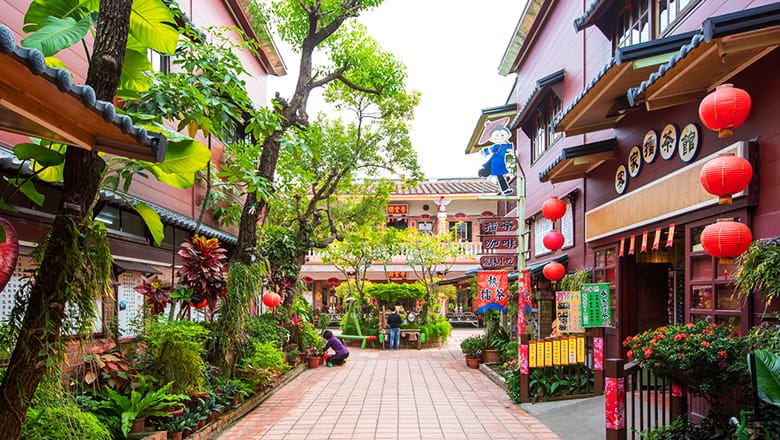
Meinong Folk Village
Hakka culture is perfectly preserved and combined with elite local industries to introduce Meinong’s human geography and lifestyle customs.
More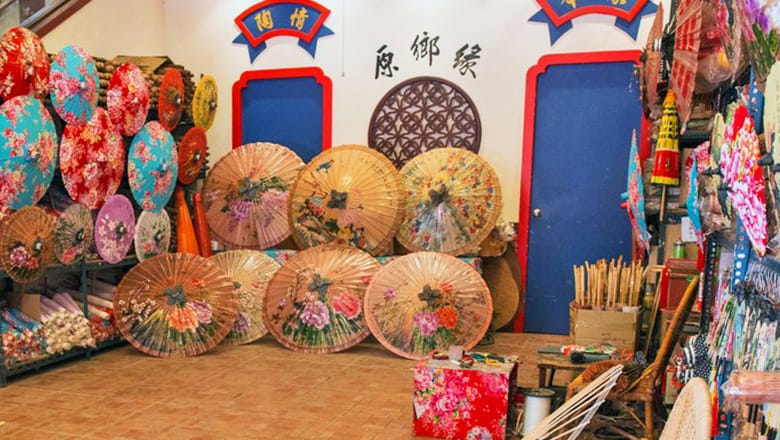
Meinong Paper Umbrella Culture Village
Visitors can observe the oil paper umbrella manufacturing process or make their own unique handcrafted DIY paper umbrella.
More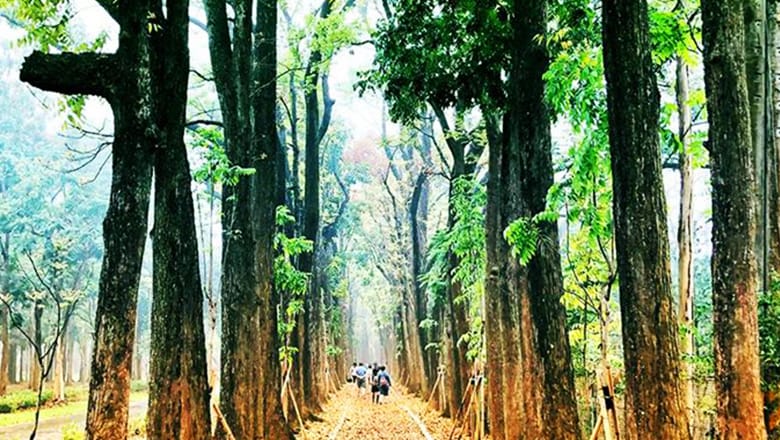
Xinwei (Sinwei) Forest Park
One of the largest nurseries in Taiwan, in autumn and winter it transforms into a red and yellow mahogany road, making it a great place to walk and take photos.
More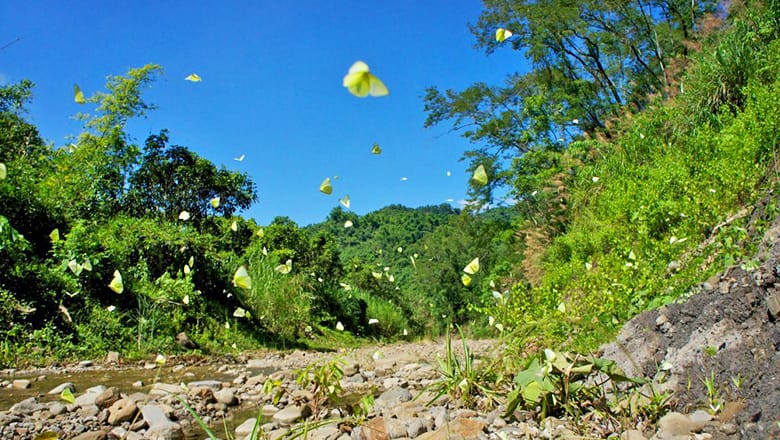
Yellow Butterfly Valley
This valley is a breeding ground for approximately 110 types of butterflies. Among them, the valley’s Catopsilia pomona have been recorded as having the highest reproductive density in the world.
More
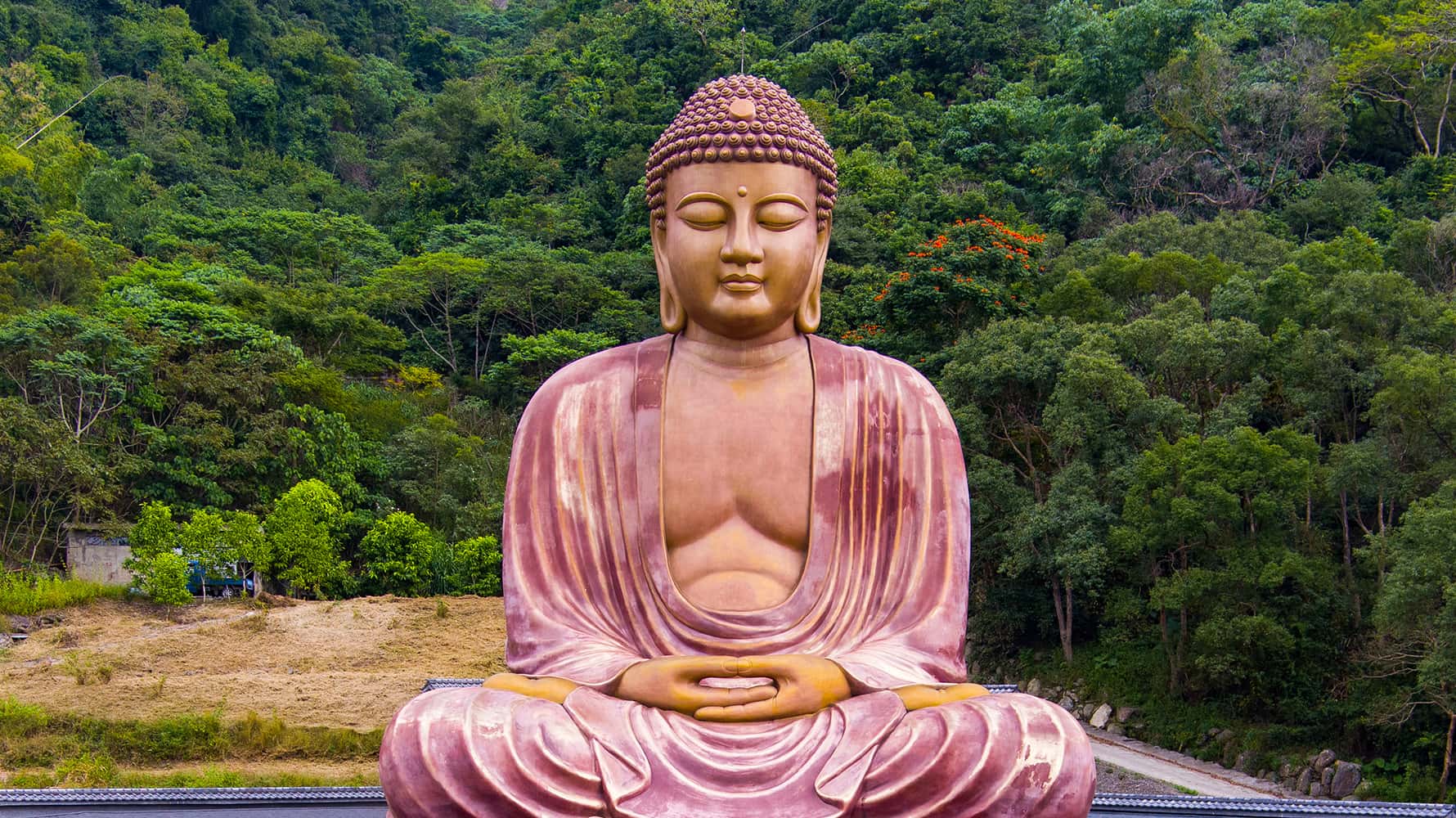
Passing through historyNeimen-Meinong-Liugui-Maolin
Temple culture is common in various places, as seen by Neimen’s temples where worshipers gather, Meinong’s beliefs, and Liugui’s religion and culture. These places are a contrast to Maolin, which suffered from natural disaster. This is a complex historical route that portrays the people’s feelings for the land.
Recommended attractions
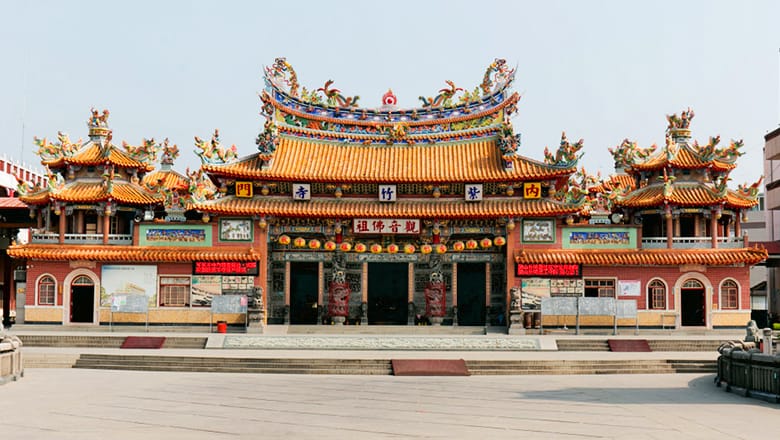
Neimen Zizhu Temple
Every year, on the dates of the Buddha’s birth, enlightenment, and death, visitors can witness a bustling scene as an endless procession of worshippers visit the temple to pay their respects.
More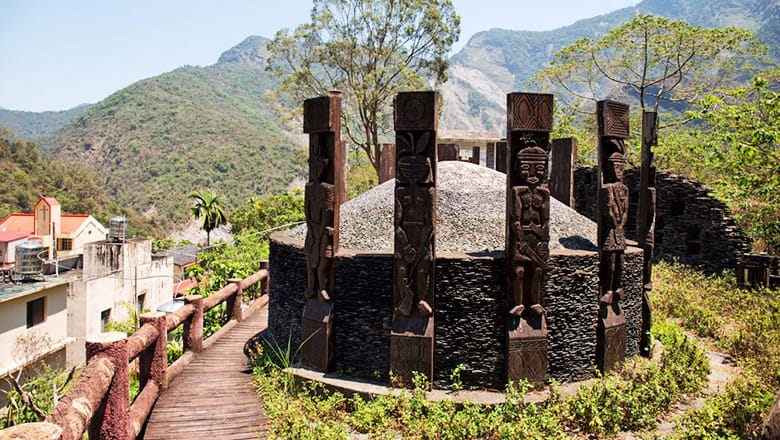
Duona Village (Settlement)
One of the oldest aboriginal villages in Taiwan. Contains the slate houses of the Rukai people.
More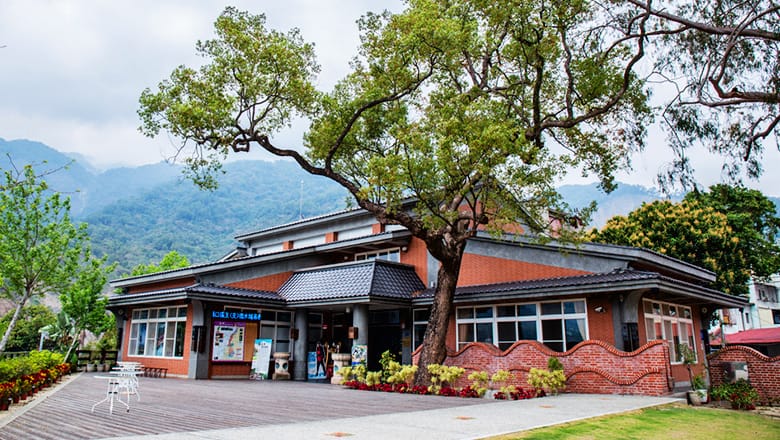
Maolin National Scenic Area
Features high mountain peaks, waterfalls, canyons, hot springs, and other scenery. It is also the traditional home of the Bunun and Rukai people.
More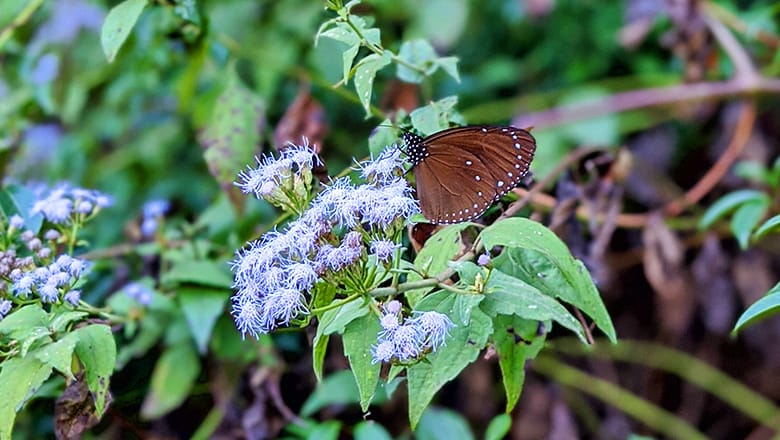
Purple Crow Butterfly Valley
Every year, from November to the following March, people can enjoy the sight of one million spotted butterflies as they gather here to seek shelter from the winter winds.
More
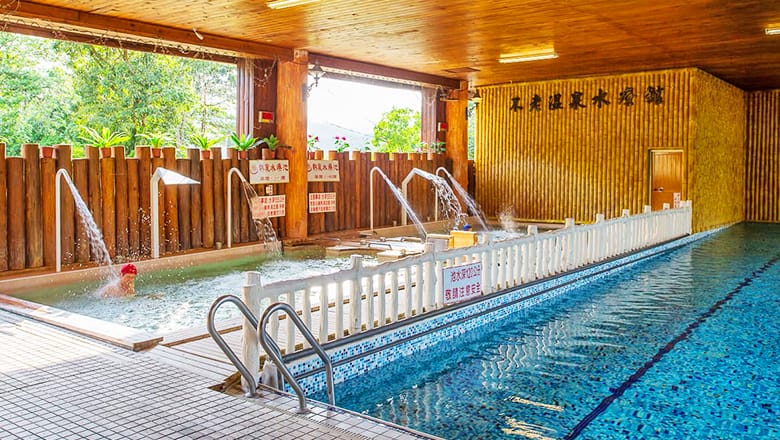
Pu-Lao Hot Spring Hotel
More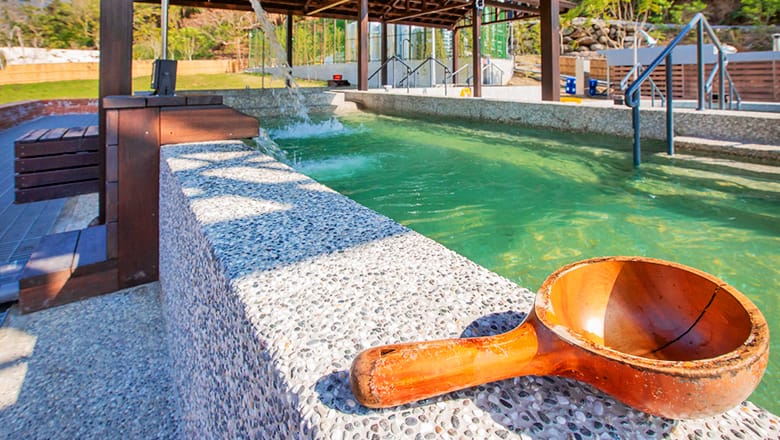
Baolai Spring Park
More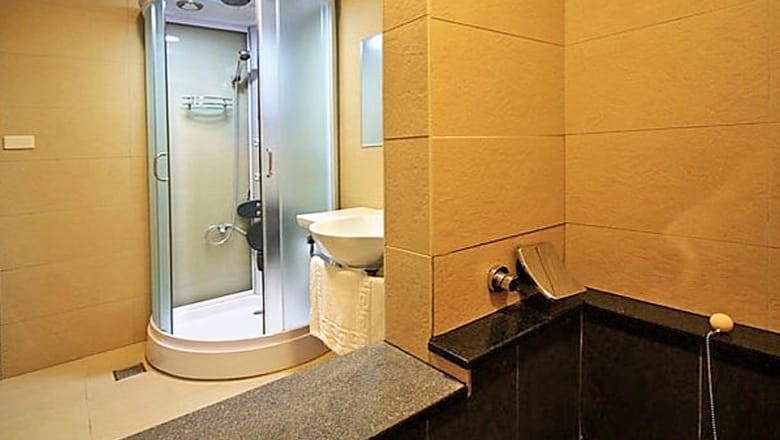
Nunu & Mengka B&B
Facebook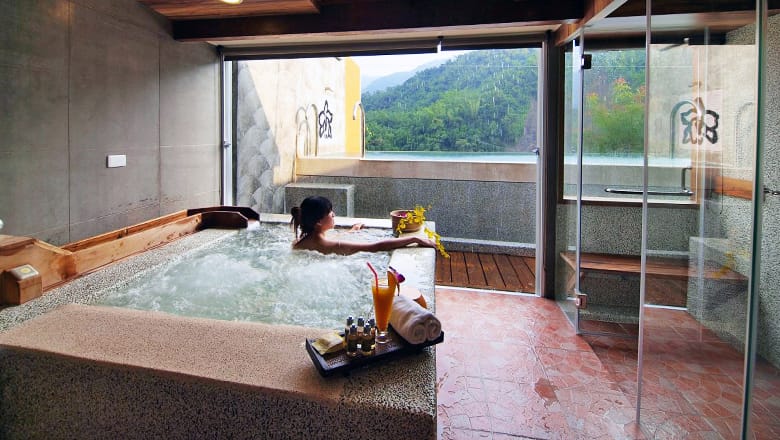
Grand Orchid Villa Resort
Official website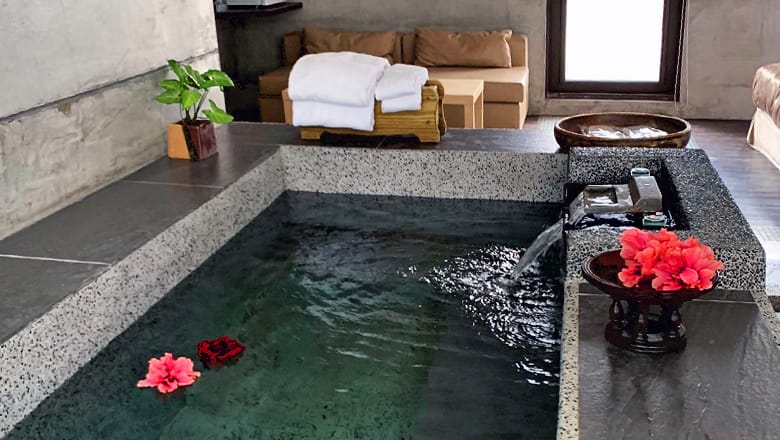
No.26 Corner Villa Resort
Official website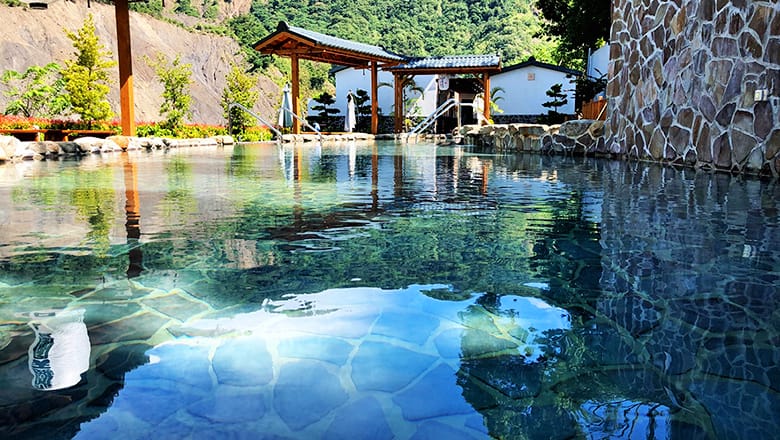
Watering TW Spa Villa
Official website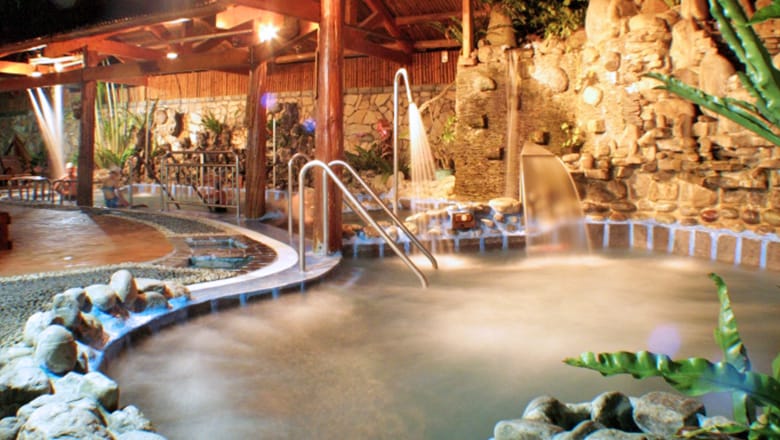
Meilunshan Hotspring Resort
Official website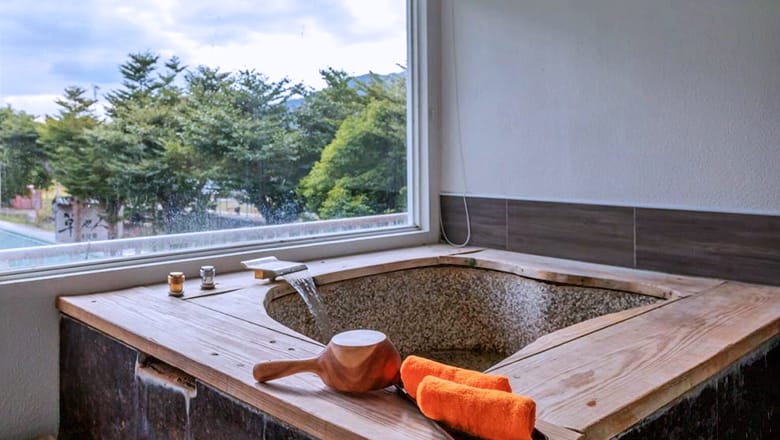
CDR Hotspring Resort
Official website
Baolai Bulao District
Love of Mountain Local Flavor Restaurant
- Chinese Banquet Style Dishes Gold Award
- 07-6883168
- More
Grand Orchid Villa Resort
- Chinese Banquet Style Dishes Silver Award
- Individual set meal Silver Award
- 07-6882231
- Official website
Baolai Local Flavor Restaurant
- Chinese Banquet Style Dishes Silver Award
- 07-6883380
Chingyisiuan Herb Garden Restaurant
- Chinese Banquet Style Dishes Silver Award
- 07-6791699
Meilunshan Hotspring Resort
- Chinese Banquet Style Dishes Silver Award
- 07-6791919
- Official website
Baolaishan Seafood Restaurant
- Chinese Banquet Style Dishes Silver Award
- 07-6882305
- More
 More
More
Cishan、Neimen、Meinong 、Liouguei、Maolin、Jiasian、Shanlin、Namasia、Taoyuan
 Hotels & Accommodations in Cishan District
 Hotels & Accommodations in Neimen District
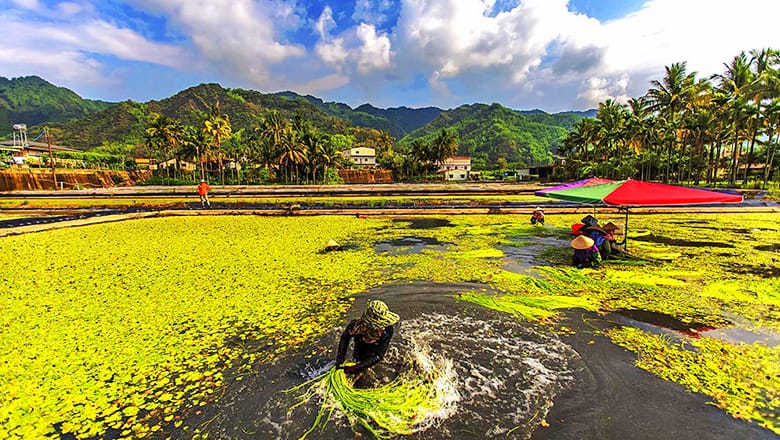 Hotels & Accommodations in Meinong District
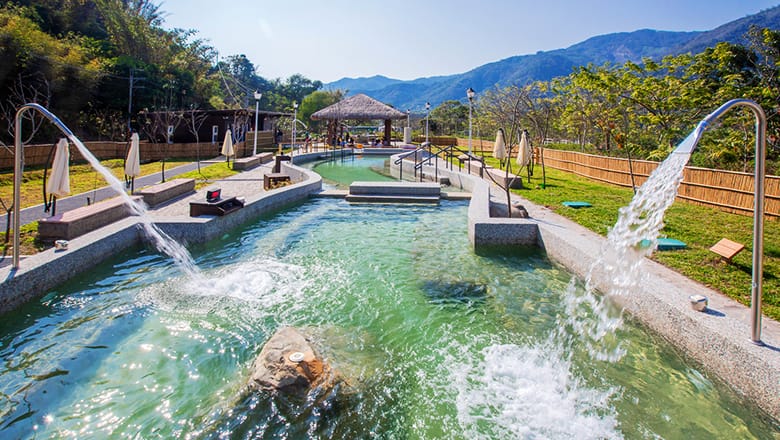 Hotels & Accommodations in Liouguei District
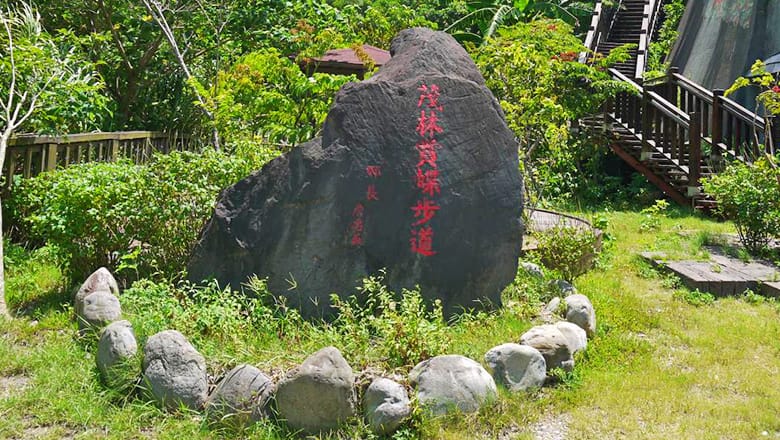 Hotels & Accommodations in Maolin District
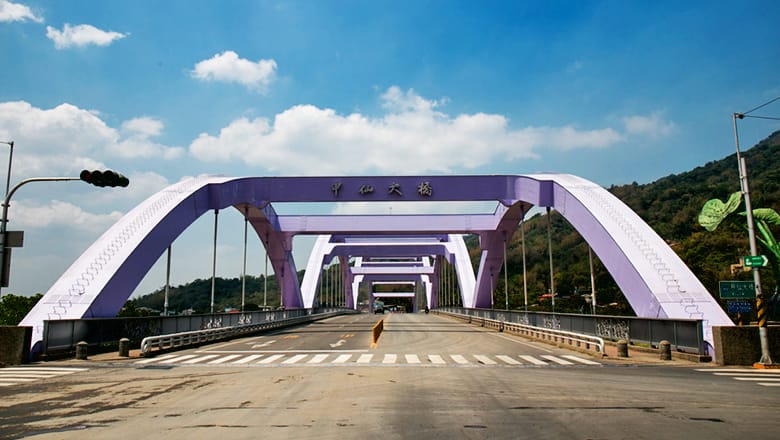 Hotels & Accommodations in Jiasian District
 Hotels & Accommodations in Shanlin District
 Hotels & Accommodations in Namasia District
 Hotels & Accommodations in Taoyuan District